The inaccessibility of robust data in North Korea requires the use of diverse research methods to determine the extent of the current food insecurity. Consequently, this report utilizes various approaches examining the time period between the years of 2018-2024. Sources include open- source reporting, mapping and Geographic Information System (GIS) data, and international trade data. The report also uses the famine theories of both Amartya Sen and Thomas Malthus, in addition to the practice-informed writings of Frederick Cuny.
This is the first satellite imagery report by HRNK on a long-term political prison commonly identified by researchers and former detainees as Kwan-li-so No. 18 (Pukch’ang). This report was concurrently published on Tearline.
This report provides an update to our reports on a long-term political prison commonly identified by former prisoners and researchers.
This report details the history of North Korea’s Propaganda and Agitation Department (PAD), and explains how it is used to deny human rights.
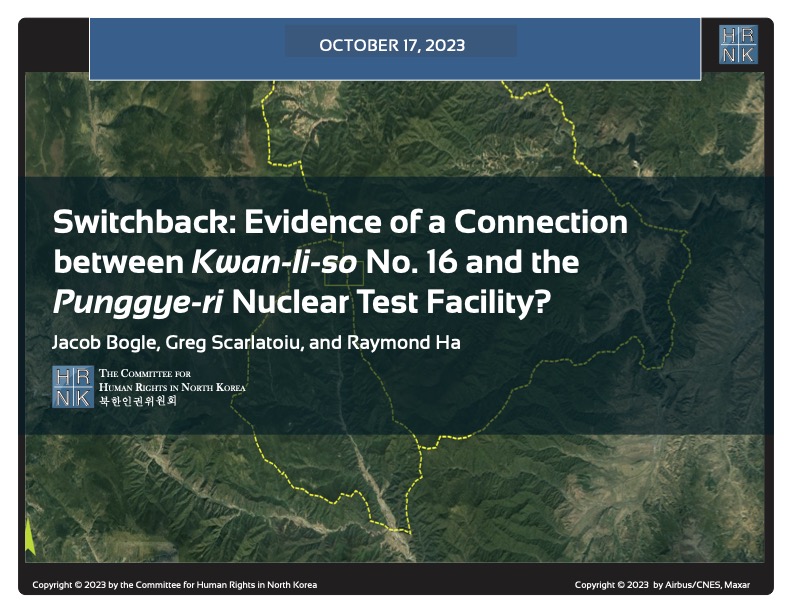
This report analyzes possible road networks connecting a political prison camp and a nuclear test facility.
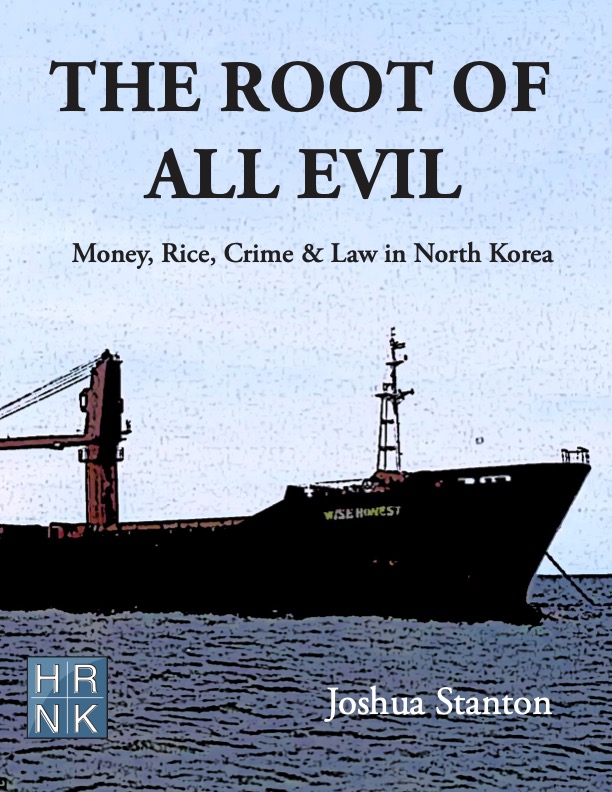
This report proposes the seizure and depositing of North Korea’s illicit funding into international escrow.
This report reviews North Korea’s use of forced labor overseas and the human rights violations of workers in China and Russia.
The story of Kang Min-chol, the lone survivor of the 1983 North Korean hit squad tasked to assassinate South Korean President, Chun Doo-hwan.
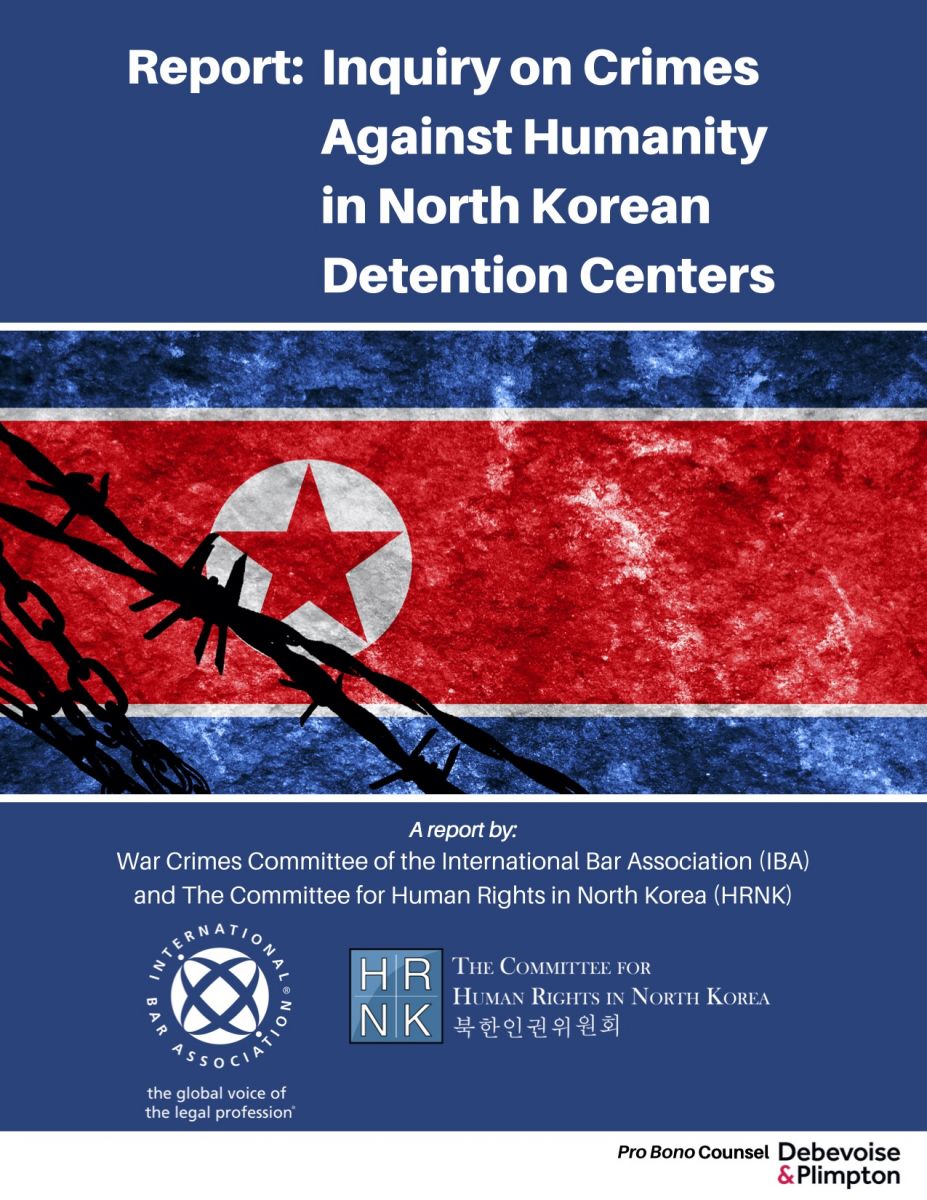
This Inquiry finds reasonable grounds to conclude that North Korea commits crimes against humanity in its detention centers.
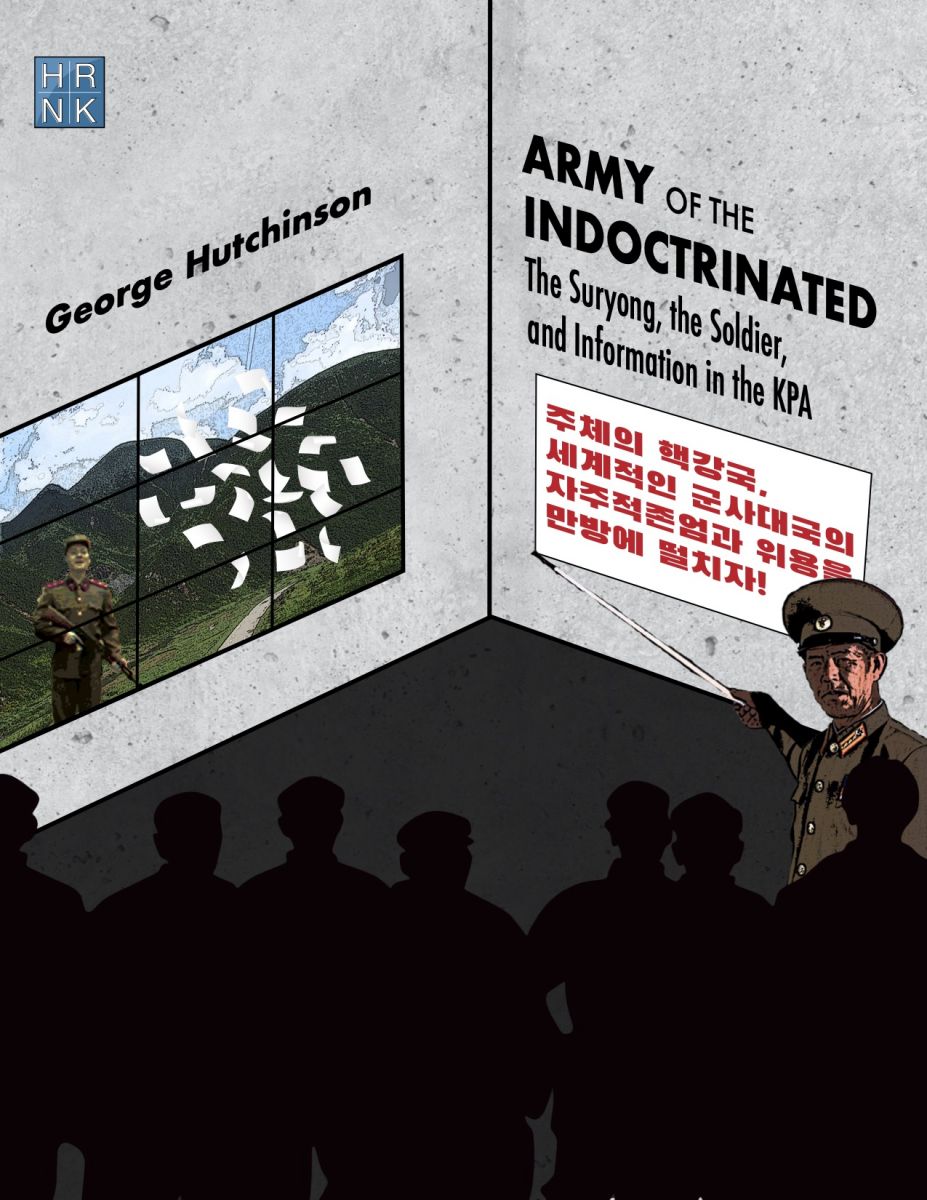
This report explores the command-and-control structure of North Korea’s military and methods of getting information to North Korean soldiers.