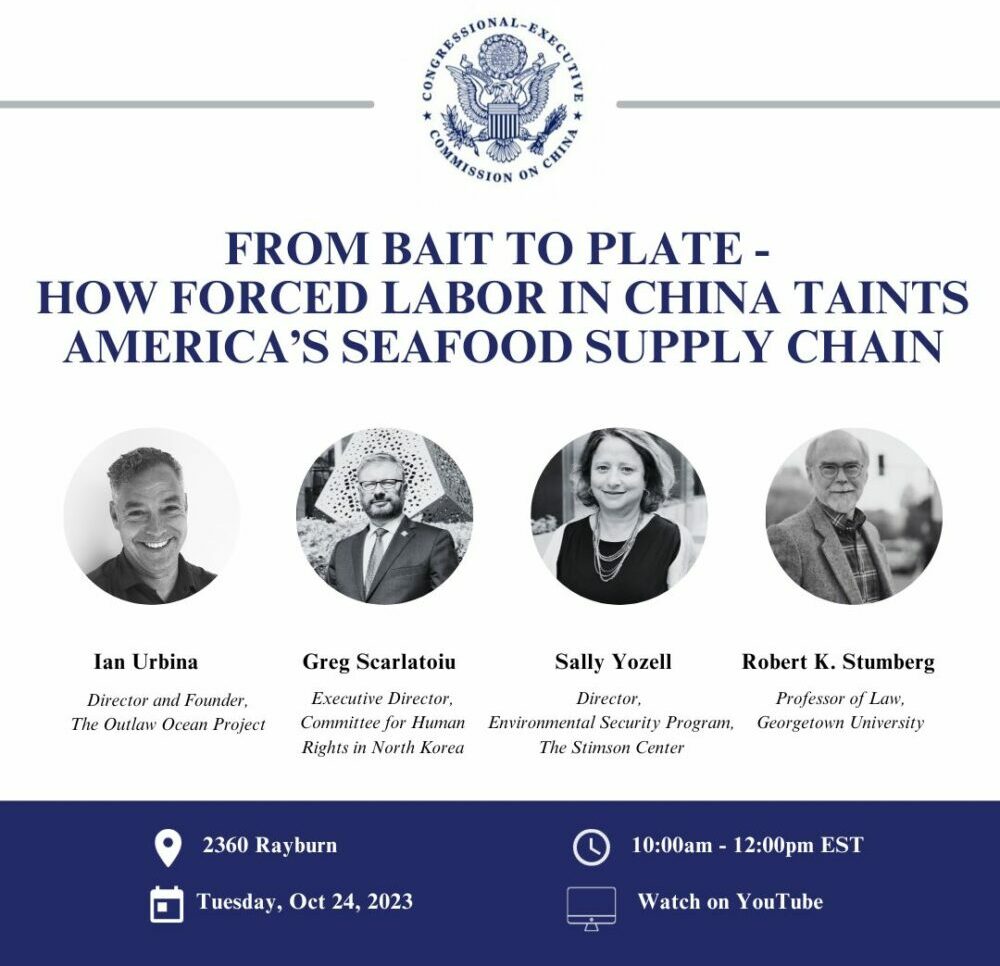

From Bait to Plate – How Forced Labor Taints America’s Seafood Supply Chain
This congressional hearing statement by HRNK highlights China’s use of North Korean forced labor in U.S. seafood supply chains.
This congressional hearing statement by HRNK highlights China’s use of North Korean forced labor in U.S. seafood supply chains.
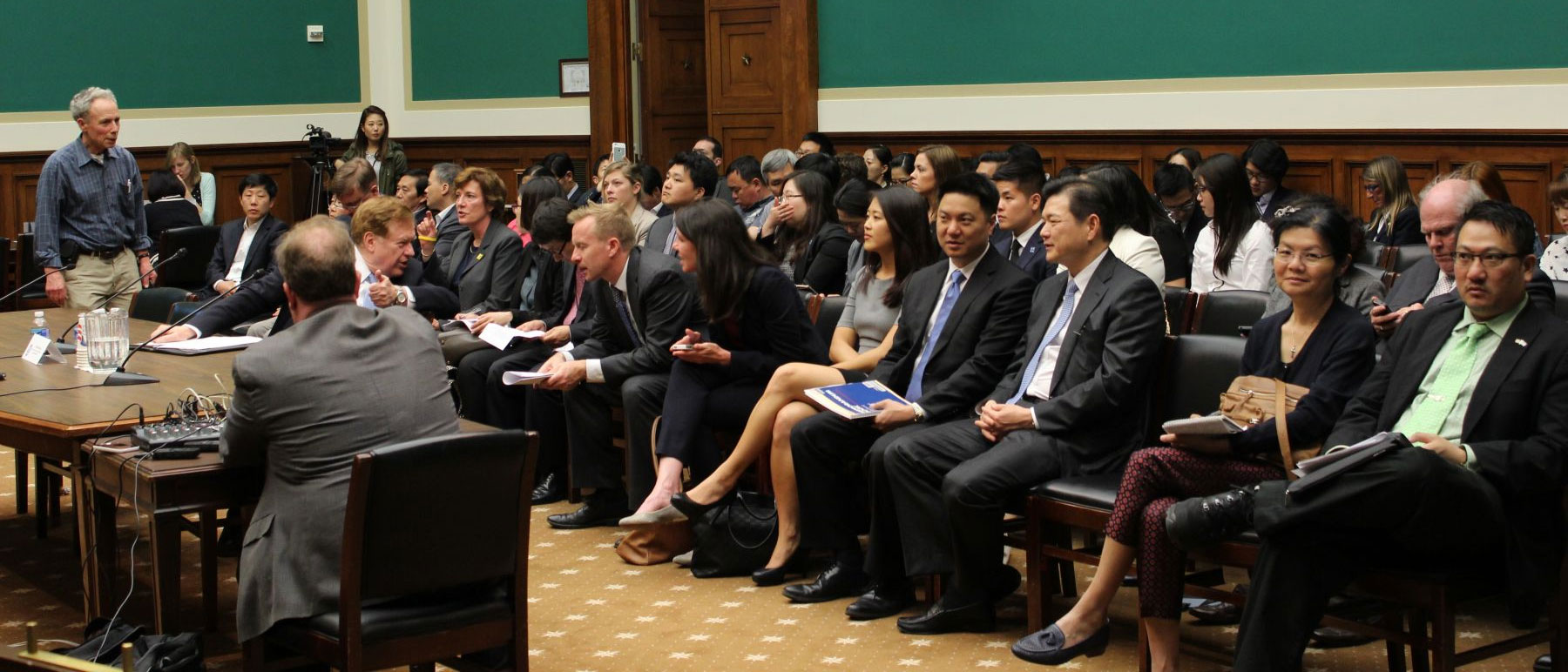
This congressional hearing statement urges outreach to North Koreans in China, who are at risk of forced repatriation to North Korea.
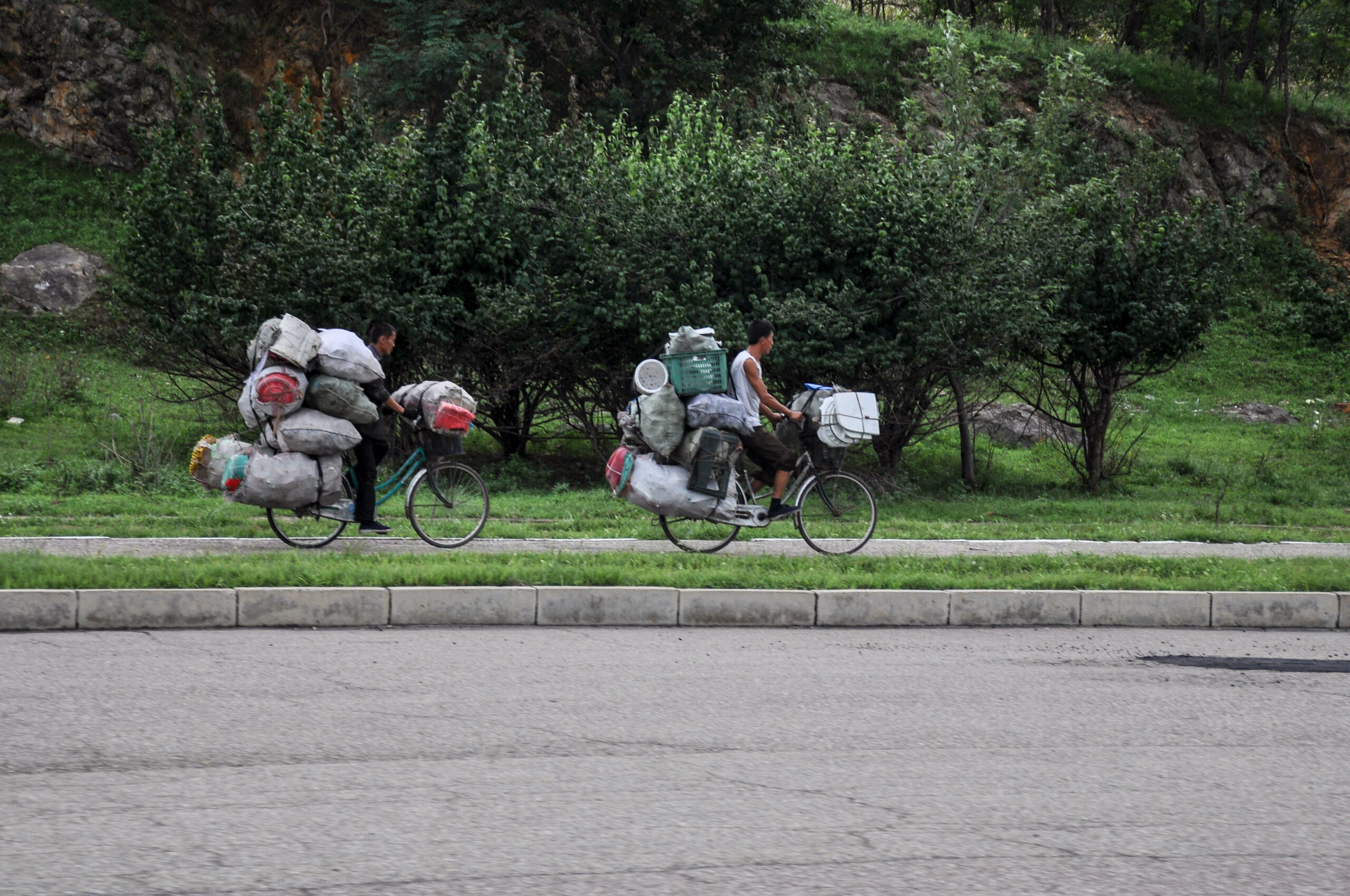
This congressional hearing statement emphasizes that human rights are integral to the development of U.S.-North Korea relations.
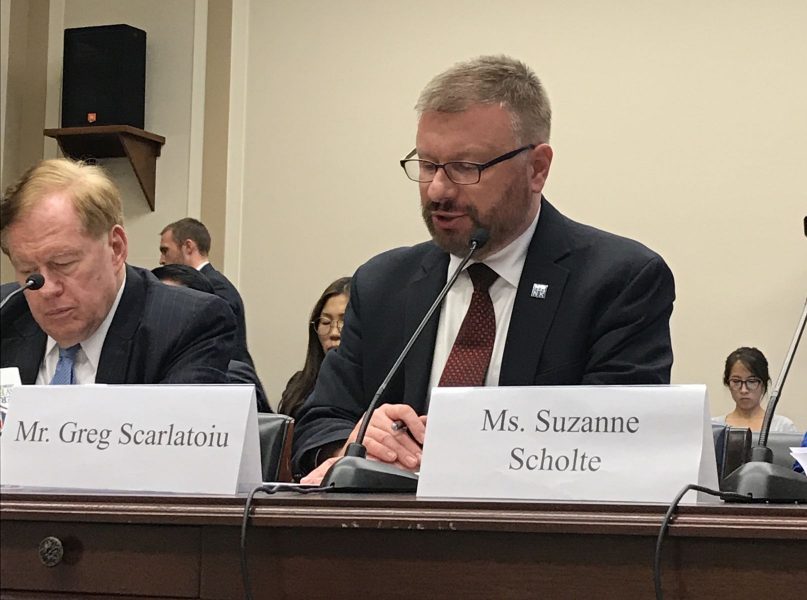

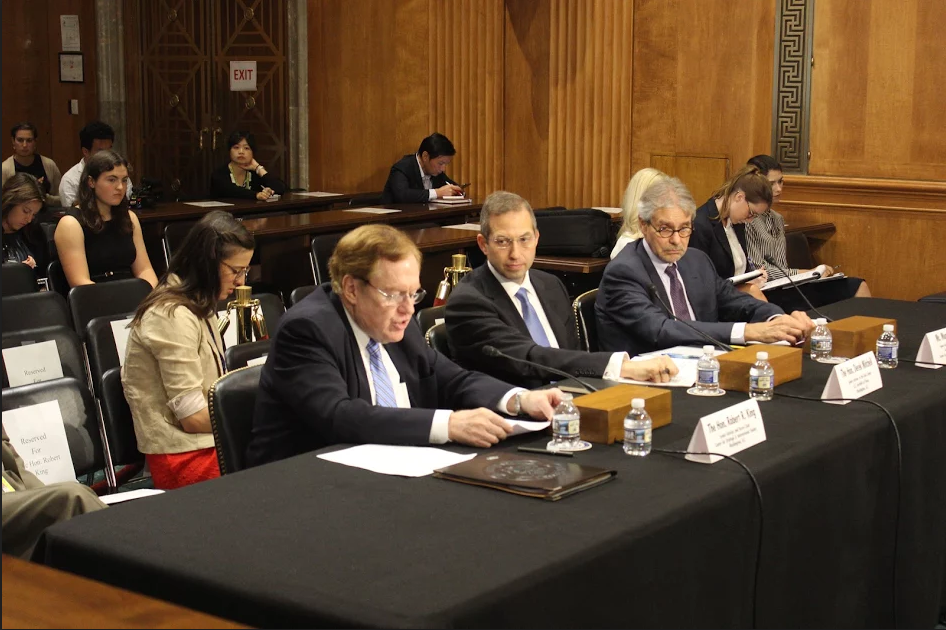
“PROTECTING NORTH KOREAN REFUGEES” House Foreign Affairs Committee Subcommittee on Africa, Global Health, Global Human Rights, and International Organizations Statement of Greg Scarlatoiu, Executive Director, Committee for Human Rights in
“PROTECTING NORTH KOREAN REFUGEES” House Foreign Affairs Committee Subcommittee on Africa, Global Health, Global Human Rights, and International Organizations WRITTEN STATEMENT OF ROBERTA COHEN, CO-CHAIR EMERITUS, COMMITTEE FOR HUMAN RIGHTS