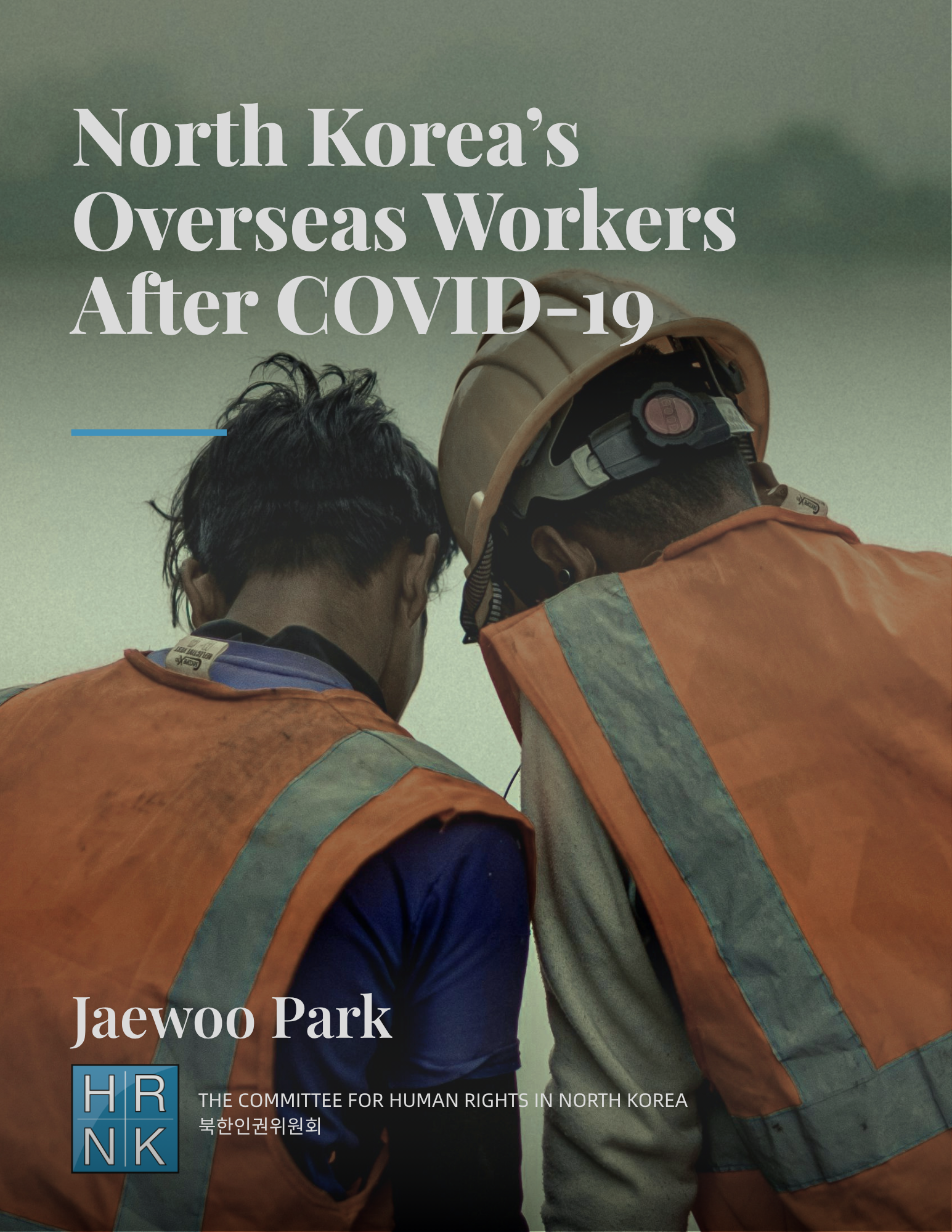
This report examines the state of North Korea’s overseas labor dispatch program and the treatment of its workers in the aftermath of the COVID-19 pandemic.
Under UN Security Council Resolution 2397, all North Korean workers abroad were required to return home by December 2019. The border closures triggered by COVID-19, however, left most of them stranded overseas. For these workers, this meant an indefinite separation from their families and years of continued life abroad. Throughout this period, the North Korean regime continued to exploit its workers as a source of foreign currency, and once the border lockdown ended, it found new ways to ignore and evade UN sanctions.
In the process, a decisive opportunity presented itself: Russia’s invasion of Ukraine. Facing a severe wartime labor shortage, Russia has been actively recruiting North Korean workers, a trend confirmed by multiple indicators. Notably, this report obtained testimony that North Korean workers are present in the Alabuga Special Economic Zone, Russia’s drone production hub. No evidence was found, however, that these workers are directly involved in drone manufacturing.
Beyond Russia, North Korea has continued its labor exports through new channels, expanding the dispatch of workers to China and significantly increasing its IT workers.
Amid all these changes, the conditions facing the workers themselves have not improved. They are still required to remit more than 80 percent of their wages to the state, endure grueling labor in substandard conditions, and are denied free communication with their families back home.
Almost every former worker interviewed for this report understood, before they left, that overseas labor would be grueling. They went anyway for their families. The chance to earn more than they ever could at home, to give their children something better: that was worth the sacrifice. And so, they endured.